
Corporate Governance plays a relevant role in any company, regardless of its size, operating segment, or legal nature, especially in those with international operations, dealing with players (clients, suppliers, banks, investors, among other stakeholders) that often already started with a more mature governance culture.
The principles of Governance consider: 1. Integrity, 2. Transparency, 3. Fairness (Equity), 4. Accountability, and, more recently, incorporates an attitude of 5. Sustainability, considering the importance of acting on elements that affect climate change and the environment, concern for the community, among others that interact with the company, as shown in figure 1 and the pop-ups 2 below (source: Brazilian Institute of Corporate Governance – IBGC).
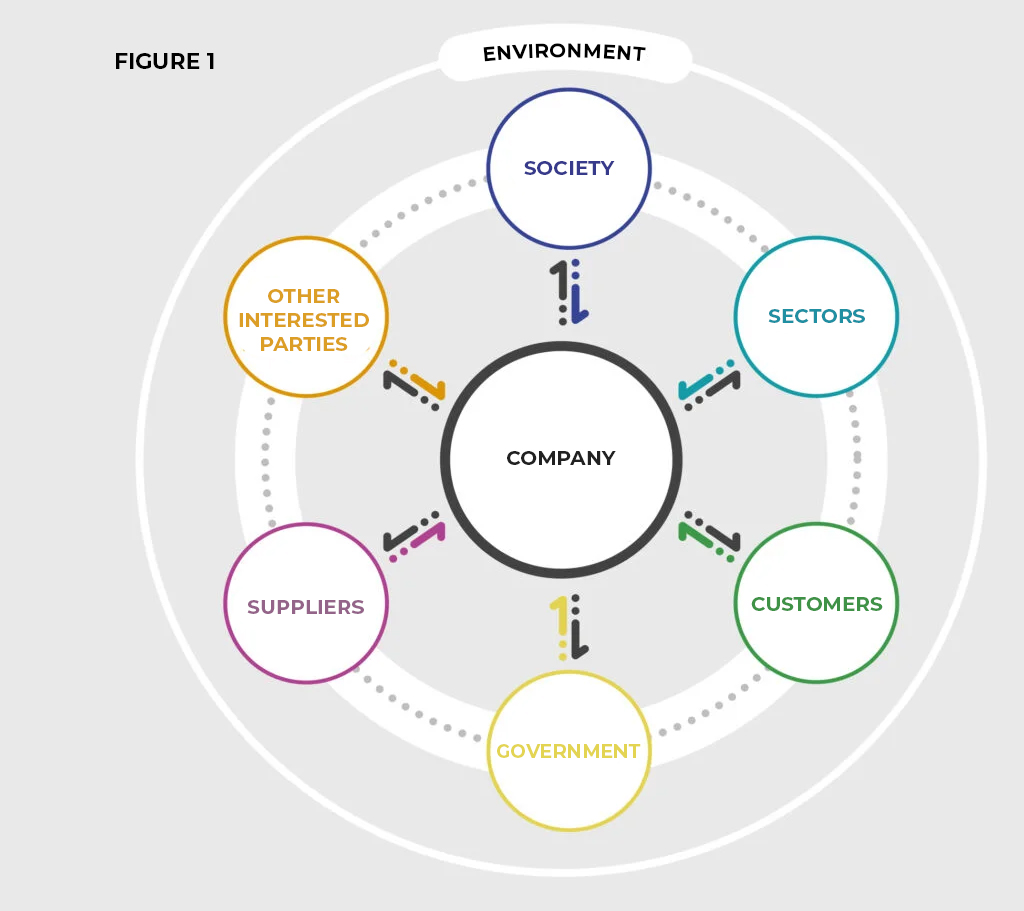
Click on each Governance Principle to learn more about its meaning:
INTEGRITY: Practice and promote the continuous improvement of the ethical culture in the organization, avoiding decisions influenced by conflicts of interest, maintaining coherence between discourse and action, and preserving loyalty to the organization and care for its stakeholders, society in general, and the environment.
TRANSPARENCY: Provide, to the stakeholders, true, timely, coherent, clear, and relevant information, whether positive or negative, and not only those required by laws or regulations. This information should not be restricted to economic and financial performance, also contemplating environmental, social, and governance factors. Promoting transparency favors business development and stimulates an environment of trust for the relationship of all stakeholders.
EQUITY: Treat all partners and other stakeholders fairly, taking into consideration their rights, duties, needs, interests, and expectations, as individuals or collectively. Fairness presupposes a differentiated approach according to the relationships and demands of each stakeholder with the organization, motivated by a sense of justice, respect, diversity, inclusion, pluralism, and equality of rights and opportunities.
ACCOUNTABILITY Perform their duties with diligence, independence, and with a view to generating sustainable value in the long term, assuming responsibility for the consequences of their acts and omissions. Furthermore, account for their performance in a clear, concise, understandable, and timely manner, aware that their decisions can not only hold them individually responsible but also impact the organization, its stakeholders, and the environment.
SUSTAINABILITY: Ensure the economic and financial viability of the organization, reduce the negative externalities of its businesses and operations, and increase the positive ones, taking into consideration, in its business model, the various capitals (financial, manufactured, intellectual, human, social, natural, reputational) in the short, medium, and long terms. From this perspective, understand that organizations operate in a relationship of interdependence with the social, economic, and environmental ecosystems, strengthening their leadership and responsibilities before society.
IST understands and is seeking pragmatic ways to strengthen its Corporate Governance and is discussing alternatives to adopt good market practices, in line with the five pillars described, either through the formalization of important company documents (e.g., Shareholders’ Agreement), implementation of an Advisory Board, institution of a Controller function, consideration of having its financial statements audited, discussion of concrete ways to ensure initiatives in the field of corporate responsibility, and provision of greater transparency in its actions, in addition to other Governance tools, such as strengthening communication among all stakeholders (interested parties).
Be that as it may, one of the important premises for strengthening Governance consists of having a clear understanding of IST’s risk ecosystem, an activity that was concluded in recent work carried out by an expert on the subject, but which must now be deepened and reviewed from time to time, given the dynamics of business, a world in constant transformation, increasing pressure from regulatory agents, and obviously, planned organic growth.
Our Team
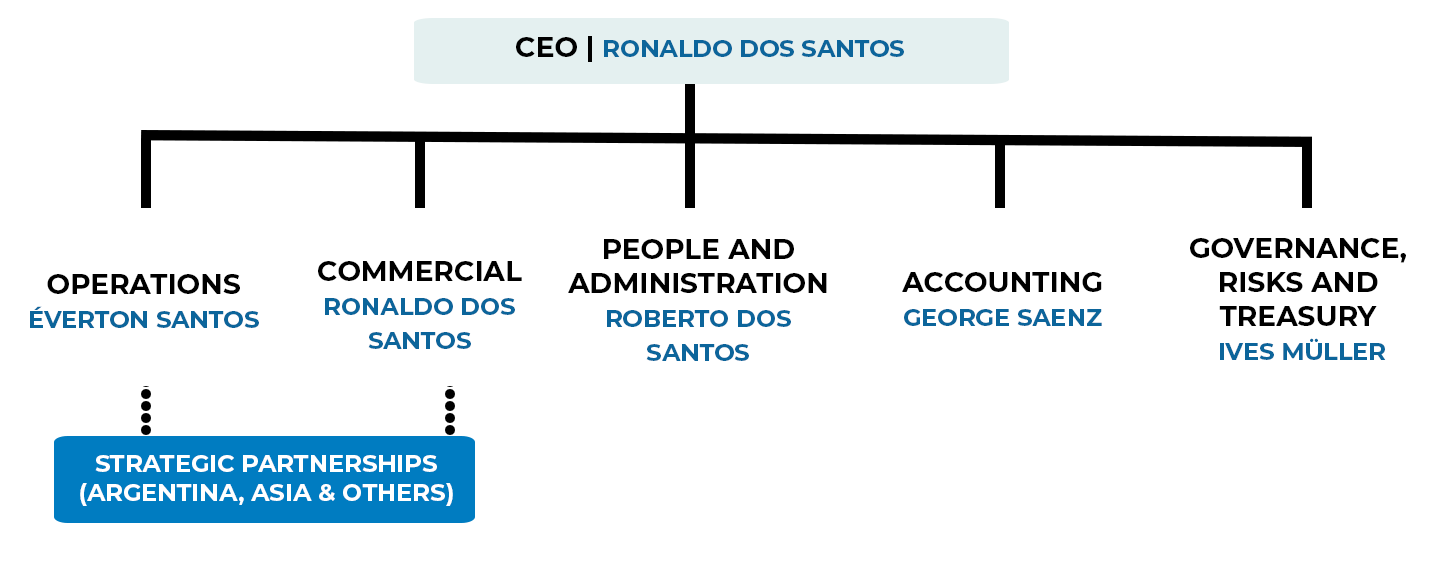
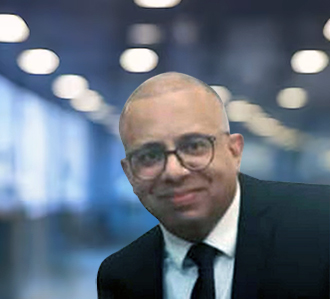
OPERATIONS
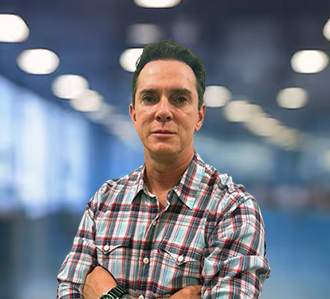
Éverton Santos
Professional with over 18 years of experience in the seafood market, with a solid track record in commercial management, import, and distribution of products from various origins. Co-founder of Infinity Sea Trade, where he consolidated extensive experience in negotiating with international suppliers, structuring commercial operations, and leading high-performance teams. Recognized for his ability to align operational efficiency with consistent results, directly contributing to the sustainable growth and consolidation of the brand in the market.
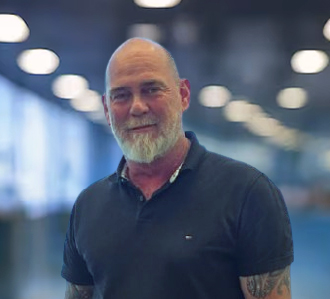
COMMERCIAL
Ronaldo dos Santos
Professional with over 20 years of experience in the international seafood trade, with a prominent role in export, negotiation, and new market development. One of the pioneers in exporting hake fillet to Brazil, he built a solid career based on strategic vision, technical knowledge, and a strong network of international partners. Co-founder of Infinity Sea Trade, a benchmark company in the commercialization and distribution of seafood from various origins, where he is active in the management of international operations, supplier prospecting, and consolidation of sustainable commercial alliances. With extensive experience in different markets and cultures, he is recognized for his ability to identify global opportunities, structure efficient supply chains, and conduct high-value negotiations focusing on quality, reliability, and competitiveness.
PEOPLE AND ADMINISTRATION
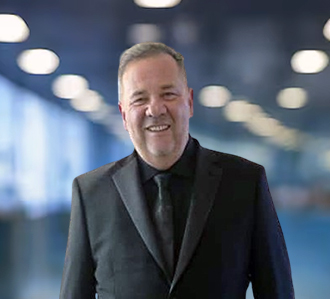
Roberto dos Santos
Co-founder of Infinity Sea Trade, working in the company since 2017 with a focus on developing the domestic seafood market. A specialist in sales and negotiations in the Brazilian sector, he is responsible for strengthening the company’s presence in the national territory, expanding partnerships and ensuring excellence in customer service. With extensive commercial experience and strategic vision, Roberto plays a fundamental role in consolidating Infinity Sea Trade as a reference in quality, trust, and professionalism in the seafood market.
ACCOUNTING
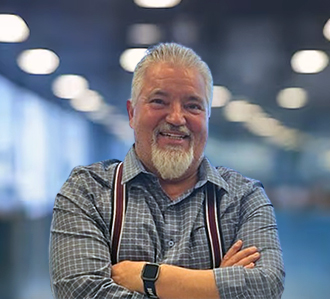
George Saenz
With over 30 years of experience in the accounting field, George Saenz is a graduate of the University of Florida and has extensive experience with companies operating internationally and across multiple markets. Throughout his career, he developed a solid track record in financial management, auditing, and tax compliance, standing out for his ability to integrate American accounting standards (GAAP) and international accounting standards (IFRS) in complex corporate environments. His experience ranges from tax planning and the structuring of multinational Income Statements (DREs), to the coordination of financial reports and strategic support for companies with import and export operations. George is recognized for his technical accuracy, strategic vision, and commitment to the transparency and efficiency of accounting processes on a global scale.
GOVERNANCE, RISKS, AND TREASURY
Ives Müller
Senior executive in risk management, ESG (Environmental, Social, and Governance), and new business development. Possesses solid experience in leadership and business direction roles in multinational consulting firms such as Andersen and Deloitte, as well as family businesses and SMEs, driving M&A processes, governance implementation, sustainability (ESG), risk management, crisis, and change management, with a focus on growth and profitability.