
The global fish market exceeds US$ 150 billion, driven by the increasing demand for healthy proteins and the expansion of aquaculture—which already accounts for more than half of the fish consumed worldwide. The main producing regions continue to be Asia-Pacific and Latin America, while the US and Europe concentrate the largest imports.

Central trends in the sector:
- Sustainability and traceability as a competitive prerequisite (MSC, ASC, BAP certifications).
- Logistics digitalization, with blockchain and IoT for real-time tracking.
- Product diversification, with emphasis on higher value-added species and processed cuts.
- Growth in B2B demand, especially in hospitality, food service, and premium retail.
- Strengthening of trade agreements and ESG financing, encouraging responsible environmental practices.
These factors indicate that the market is expected to grow between 4% and 6% annually until 2030, with average EBITDA margins between 8% and 15% in efficient operations.
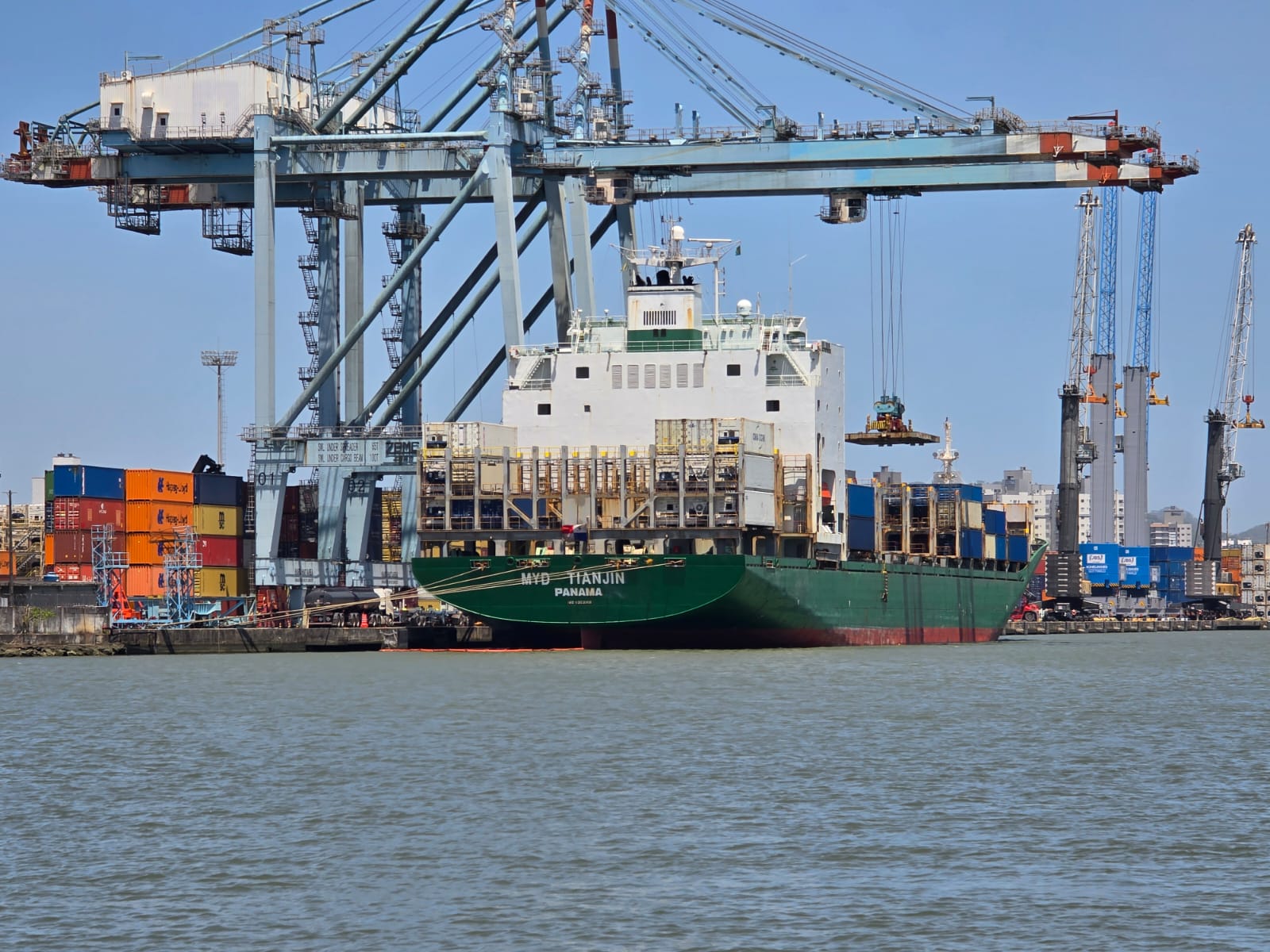
Global Market Overview
The trade in frozen and processed seafood continues to increase due to globalized supply chains and improvements in cold chain logistics.
Key Industry Trends and Drivers:
- Growing global demand for sustainable and traceable seafood products.
- Expansion of aquaculture as wild-caught resources face overfishing and climate risks.
- Increased digitalization of trade and logistics, including real-time supply chain tracking.
- Greater consumer awareness regarding environmental certifications (MSC, ASC, etc.).
- Development of new preservation technologies and blockchain-based traceability systems.

Brazil
BNDES Exim (pre/post-shipment) and Automatic Exim via accredited banks; PROEX (Treasury) in specific cases.

Multilaterals
Trade and Supply Chain Finance from IDB Invest (guarantees/liquidity) and MIGA–IDB Invest structure to reduce commercial risks.
EXIM (USA)
Insurance/guarantees by Country Limitation Schedule.

Private Credit
Trade finance funds, forfaiting, receivables programs; ESG-linked facilities for certified sustainable sourcing.